
If you’re eating well, trying your best and still not feeling like yourself, you’re not imagining it. Menopause brings real changes to your body, and understanding what’s happening is the first step towards feeling better.
Menopause Can Feel Like Everything Has Changed
You’re eating less than you used to.
You’re trying harder than ever.
Yet the scales won’t budge—or perhaps the weight keeps creeping up, particularly around your middle.
Your energy isn’t what it used to be, your mood feels different, and food has become something to worry about rather than enjoy.
If this sounds familiar, you’re certainly not alone.
One of the biggest misconceptions about menopause is that these changes happen because you’ve “lost motivation” or “aren’t trying hard enough.” In reality, your body is responding to significant hormonal changes that affect the way it uses energy, stores fat, builds muscle and regulates appetite.
The strategies that may have worked in your 20s or 30s often aren’t the strategies your body needs now.
A Note From Me
Hi, I’m Leeanne Azzopardi, Accredited Practising Dietitian and Director of Nutrition Health & Wellbeing.
I’ve been supporting women with their nutrition for more than 20 years, and I’m also navigating my own mid-40s while raising two young daughters. So when women tell me they’re exhausted, frustrated or confused by what’s happening to their bodies, I understand both professionally and personally.
One thing I’ve noticed time and time again is that many women arrive believing they’ve somehow failed because dieting no longer works.
The truth is, they haven’t failed.
Their bodies have changed.
Menopause is a significant life transition, and your nutrition needs change with it. Rather than eating less, it’s about eating differently—giving your body the nutrients it needs to support your hormones, maintain muscle, protect your bones and help you feel your best.
What’s Happening to Your Body During Menopause?
Oestrogen does much more than regulate your menstrual cycle.
It plays an important role in metabolism, muscle maintenance, appetite regulation, mood and energy. As oestrogen levels decline during menopause, several changes can occur:
- Your metabolism naturally slows, meaning you burn fewer kilojoules at rest.
- Muscle mass gradually declines, making it easier to lose strength and harder to maintain your metabolic rate.
- Your body becomes more prone to storing fat around the abdomen.
- Sleep disturbances can increase stress hormones like cortisol, contributing to fatigue, cravings and weight gain.
- Changes in brain chemistry can affect mood, motivation and emotional wellbeing.
These changes are a normal part of menopause—not a reflection of your willpower.
Why Eating Less Often Makes Things Harder
When weight starts creeping up, it’s understandable to think eating less is the answer.
Unfortunately, overly restrictive diets can have the opposite effect.
Eating too little—particularly without enough protein—can speed up muscle loss, which further slows your metabolism. Restrictive eating can also leave you low in important nutrients, increase fatigue and create an unhealthy relationship with food.
Many women tell me they’re constantly thinking about food, feeling guilty after eating or jumping from one diet to the next.
Instead of helping, these cycles often leave them feeling even more frustrated.
Your body isn’t asking for less food.
It’s asking for better nourishment.
Key Nutrients That Matter During Menopause
The right nutrition can make a real difference to how you feel throughout menopause.
Some of the nutrients we commonly focus on include:
Protein
Protein helps preserve muscle mass, supports strength and keeps you feeling fuller for longer.
Calcium and Vitamin D
These nutrients work together to maintain bone health, which becomes increasingly important as oestrogen declines.
Magnesium
Magnesium supports muscle and nerve function and may also help with sleep quality and overall wellbeing.
Iron
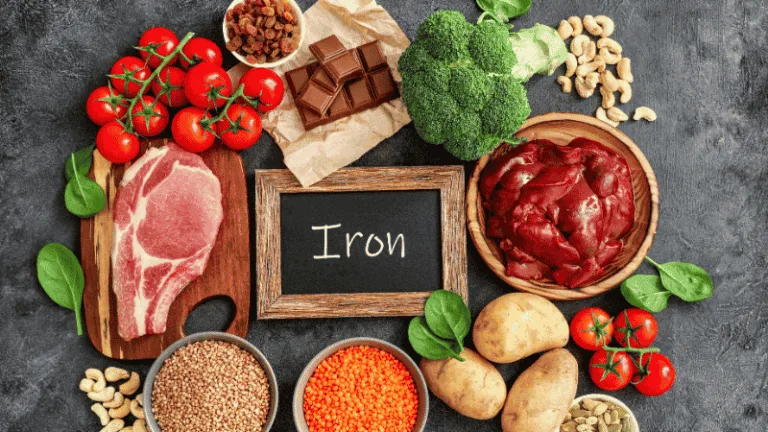
Although iron needs often reduce after menopause, low iron levels can still occur and contribute to ongoing fatigue. If you’re experiencing persistent tiredness, it’s important to investigate the cause rather than self-diagnosing.
B Vitamins
B vitamins play an essential role in energy production and supporting the nervous system.
Every woman is different, which is why personalised nutrition advice is far more valuable than following generic recommendations online.
How a Dietitian Can Help During Menopause
Nutrition during menopause isn’t about following another restrictive eating plan.
It’s about understanding what’s happening in your body and creating habits that work for your lifestyle.
Working with a dietitian allows us to:
- Identify any nutritional gaps that may be contributing to fatigue or other symptoms.
- Develop an eating pattern that supports muscle, metabolism and long-term health.
- Build confidence around food without unnecessary restriction.
- Create realistic strategies that fit your lifestyle and preferences.
- Help you separate evidence-based advice from the overwhelming amount of misinformation online.
Small, sustainable changes often have a much greater impact than another short-term diet.
You Don’t Have to Navigate Menopause Alone
Menopause looks different for every woman, which means there is no one-size-fits-all solution.
If you’re feeling tired, frustrated or unsure where to start, personalised nutrition advice can help you understand what your body needs during this stage of life.
At Nutrition Health & Wellbeing, we work with women to create realistic, evidence-based nutrition plans that support long-term health—not quick fixes.
If you’re ready to feel more confident, energised and supported through menopause, we’d love to help.
Read more about Women’s Health here
Book a consultation with Leeanne and let’s create a plan that’s tailored to you.
Written by Leeanne Azzopardi
Accredited Practising Dietitian & Director
Nutrition Health & Wellbeing