Feeling tired all the time? Struggling to concentrate? Finding it harder to get through your day than usual?
While there are many possible causes of fatigue, low iron is one of the most common—especially for women, teenagers, vegetarians, vegans, and people with limited dietary variety.
The good news? For many people, small changes to your diet can help improve your iron intake and support healthy iron levels over time.
At Nutrition Health & Wellbeing, we believe nutrition doesn’t have to be complicated. Understanding which foods contain iron and how to help your body best absorb it can make a real difference to your energy and overall wellbeing.
Why Is Iron So Important?
Iron is an essential mineral that helps your body produce haemoglobin, the protein in red blood cells responsible for carrying oxygen around your body.
When your iron stores are low, your body has to work harder to transport oxygen, which can leave you feeling tired, run down, and lacking energy. Especially for people working towards muscle gain or improving their fitness, meeting your iron needs is an important part of supporting overall performance alongside adequate protein, energy, and strength training.
Some common signs of low iron include:
- Fatigue or low energy
- Difficulty concentrating
- Headaches
- Dizziness
- Weakness
- Feeling cold more often
- Pale skin
- Shortness of breath
- Feeling tired during workouts
- Reduced endurance or performance
- Slower recovery after exercise
- Difficulty progressing with your training
If you’re experiencing these symptoms, it’s important to speak with your GP. A simple blood test can determine whether low iron is the cause.
Understanding the Two Types of Iron
Not all iron is absorbed in the same way.
Haem Iron
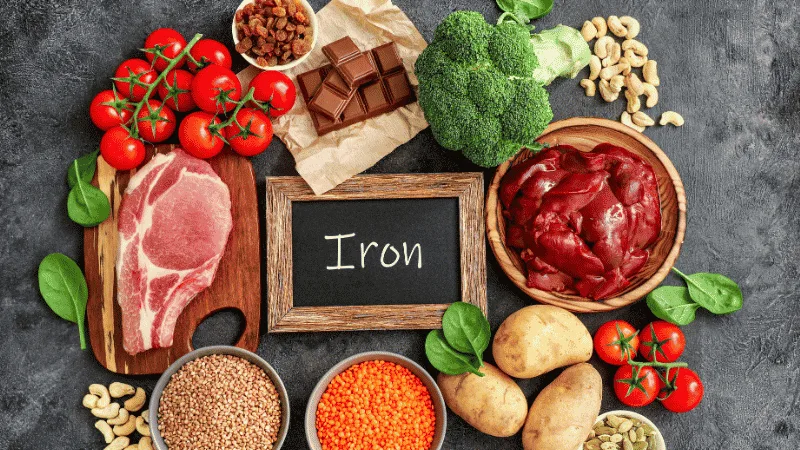
Haem iron comes from animal foods and is the easiest type for your body to absorb.
Some good sources include:
- Lean beef
- Lamb
- Kangaroo
- Chicken
- Fish
Non-Haem Iron
Non-haem iron is found in plant foods. While it’s not absorbed quite as easily, there are plenty of simple ways to improve absorption.
Good sources include:
- Lentils
- Chickpeas
- Tofu
- Nuts and seeds
- Spinach
- Iron-fortified breakfast cereals
Whether you eat meat or follow a vegetarian or vegan diet, it’s absolutely possible to meet your iron needs with the right planning.
Simple Ways to Boost Iron Absorption
Sometimes it’s not just what you eat, but how you eat it.
Here are a few easy ways to help your body absorb more iron from your meals.
Pair Iron with Vitamin C
Vitamin C helps your body absorb non-haem iron more effectively.
Try combinations like:
- Iron-fortified cereal topped with berries
- Lentil soup with tomatoes
- Spinach salad with a squeeze of lemon
- Tofu stir-fry with broccoli or capsicum
- Chickpea salad with orange segments
Leave Tea and Coffee Until After Meals
Tea and coffee contain natural compounds that can reduce iron absorption.
If possible, enjoy your tea or coffee two hours before or after eating, rather than with your meal.
Include Iron-Rich Foods Regularly
Rather than focusing on one “superfood,” aim to include a variety of iron-rich foods throughout the week.
This might look like:
- Lean red meat a few times per week
- Adding lentils or chickpeas to soups, curries, or salads
- Choosing an iron-fortified breakfast cereal
- Including eggs as part of a balanced breakfast
Small, consistent changes are often easier to maintain than trying to overhaul your diet overnight.
Who Is More Likely to Have Low Iron?
Some people have higher iron requirements or are at greater risk of iron deficiency, including:
- Women with heavy menstrual periods
- Pregnant women
- Vegetarians and vegans
- Teenagers
- Endurance athletes
- People with gastrointestinal conditions
- Those following restrictive diets
If you fall into one of these groups, it’s worth discussing your iron intake with your GP or Accredited Practising Dietitian.
Do You Need an Iron Supplement?
It can be tempting to reach for an iron supplement when you’re feeling tired, but supplements aren’t suitable for everyone.
Iron supplements should only be taken after discussing your symptoms with your GP and having your iron levels checked through a blood test. Taking iron when you don’t need it can cause unwanted side effects and, in some cases, be harmful.
How Our Dietitian Can Help
If you’re concerned about your iron intake, you don’t have to work it out on your own.
Working with our dietitian, you can:
- Learn how to include more iron-rich foods in your meals
- Improve iron absorption through simple food combinations
- Meet your nutrition needs on a vegetarian or vegan diet
- Create realistic meal plans that suit your lifestyle
- Feel more confident about supporting your energy through food
The Bottom Line
Improving your iron intake doesn’t have to mean making dramatic changes to your diet. Small, consistent habits—like including more iron-rich foods and pairing them with vitamin C—can help support healthy iron levels over time.
If you’re experiencing ongoing fatigue or think you may have low iron, speak with your GP. Once your iron levels have been assessed, our dietitian can help you create a personalised nutrition plan that supports your health, energy, and lifestyle.
Ready to take the next step? Learn more about our nutrition services and how we can help you build a balanced eating plan that works for you here.
Further Reading
Continue learning with these helpful articles: