If you’ve ever felt like meal planning is just another thing to get “right,” you’re not alone. It’s easy to turn something that should be supportive into something that feels rigid, overwhelming, or even punishing. But here’s the good news: Meal planning doesn’t have to be all-or-nothing. It can be flexible, realistic, and tailored to your lifestyle—not someone else’s.
When done gently, meal planning can actually reduce stress and support your overall wellbeing. Let’s look at how.
The Real Benefits of Gentle Meal Planning
Meal planning isn’t about perfection—it’s about preparation. And when it’s approached with flexibility, it can:
- Save you time during busy weeks by reducing decision fatigue.
- Support your nutrition goals by helping you include a variety of foods you enjoy.
- Cut down on food waste by using up what you already have.
- Make grocery shopping more efficient and budget-friendly.
- Help you feel more grounded with a sense of routine (without being rigid).
Ditch the “Shoulds”: Redefining What Meal Planning Looks Like
Forget the color-coded spreadsheets and seven-day meal preps (unless you love that!). Gentle meal planning can be as simple as:
- Planning 2–3 dinners you want to make and leaving room for leftovers, takeout, or spontaneous cravings.
- Making a flexible grocery list based on what’s in your pantry and what’s on sale.
- Keeping a list of go-to meals that are quick, nourishing, and comforting.
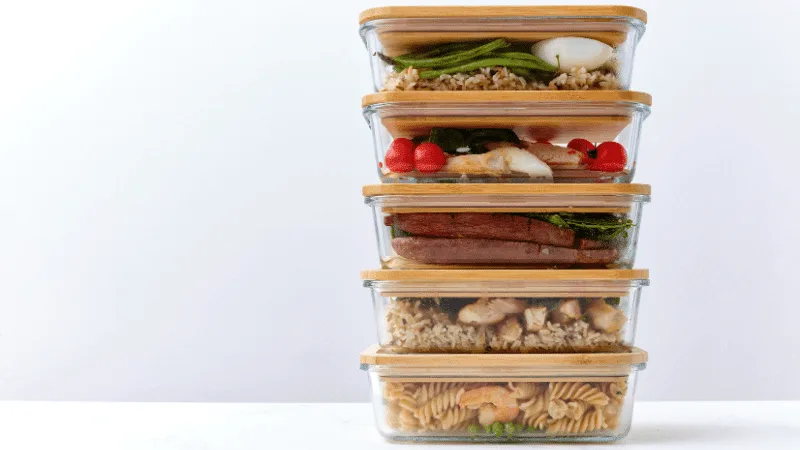
- Prepping just one element in advance (like chopping veggies or cooking a grain) to make meals easier during the week.
It’s Okay to Repeat Meals
You don’t need a brand new idea for every night of the week. Repeating meals or having themed nights (like pasta night, stir-fry night, breakfast-for-dinner) is a great way to reduce pressure and simplify planning.
Include Joy and Flexibility
Meal planning isn’t a punishment. It should include foods you actually want to eat, not just what you think you “should” eat. Flexibility is key:
- Leave space in your plan to shift things around.
- Allow room for fun, convenience foods, and meals out.
- Don’t worry if you don’t follow the plan perfectly—it’s a tool, not a test.
Final Thoughts
Meal planning doesn’t have to be rigid, complicated, or time-consuming. When approached with kindness and flexibility, it becomes a supportive habit that fits into your life (not the other way around). It’s okay to start small. Even planning one or two meals ahead can help you feel more grounded and nourished.
Meal Planning Resources
Ready to take the pressure off meal planning? Here are some helpful next steps: