
When we think about menopause, conversations often focus on weight gain and hot flushes. But one of the biggest changes happening behind the scenes is to your bone health. The good news? There are practical steps you can take now to help keep your bones strong for years to come.
Menopause Isn’t Just About Hormones—It’s About Your Bones Too
Most women know that oestrogen plays a role in reproduction, but it also has an important job protecting your bones.
Throughout life, your body is constantly breaking down old bone tissue and replacing it with new bone. Oestrogen helps keep this process in balance.
As oestrogen levels decline during menopause, bone starts to break down faster than it can be rebuilt. Over time, this can reduce bone density and increase the risk of osteoporosis—a condition where bones become weaker and more likely to fracture.
The greatest bone loss often occurs in the first few years after menopause, making this an important time to think about prevention rather than waiting until problems develop.
The encouraging news is that your everyday habits can make a real difference.
Why Movement Matters
Exercise isn’t just good for your heart or your waistline—it’s one of the most effective ways to support healthy bones.
Bones respond to movement. When you regularly put healthy stress through your skeleton, your body receives the signal to maintain and strengthen bone tissue.
Research shows that women who stay active during and after menopause can slow bone loss and, in some cases, even improve bone density, particularly in the hips and spine.
What Type of Exercise Is Best?
The best exercise routine for bone health includes a mix of activities.
Weight-Bearing Exercise
These are activities where your body works against gravity, including:
- Walking
- Hiking
- Dancing
- Stair climbing
These movements help stimulate your bones while also supporting overall fitness.
Resistance Training
Strength training is one of the most valuable forms of exercise during menopause.
Using weights, resistance bands or your own body weight helps maintain muscle mass while also placing beneficial load through your bones.
Higher-Impact Exercise
If it’s appropriate for your health and fitness level, activities such as jogging, tennis or small jumping exercises provide an even stronger stimulus for bone growth.
These exercises aren’t suitable for everyone, particularly if osteoporosis is already present, so it’s important to seek individual advice if you’re unsure.
Balance and Mobility Training
Exercises such as yoga, Pilates and tai chi improve balance, flexibility and coordination.
While they don’t build bone in the same way as resistance training, they play an important role in reducing the risk of falls—a major cause of fractures later in life.
Rather than focusing on just one type of exercise, combining different forms of movement tends to provide the greatest benefits for both bone and overall health.
Nutrition Plays an Equally Important Role
Movement and nutrition work hand in hand.
Even the best exercise routine can’t support healthy bones if your body isn’t receiving the nutrients it needs to build and maintain them.
Some of the key nutrients we focus on during menopause include:
Calcium
Calcium is the main mineral found in bones and is essential throughout life—not just after menopause.
Dairy foods, calcium-fortified alternatives, tofu, canned fish with bones and some leafy green vegetables are all excellent sources.
Vitamin D
Vitamin D helps your body absorb calcium effectively.
Many Australians have lower vitamin D levels than they realise, particularly during winter or if they spend little time outdoors. Your GP can arrange a simple blood test if deficiency is suspected.
Protein
Protein is often associated with muscles, but it’s also important for maintaining bone strength.
Eating enough protein helps preserve muscle mass, which supports balance, mobility and healthy bones as we age.
Other Bone-Supporting Nutrients
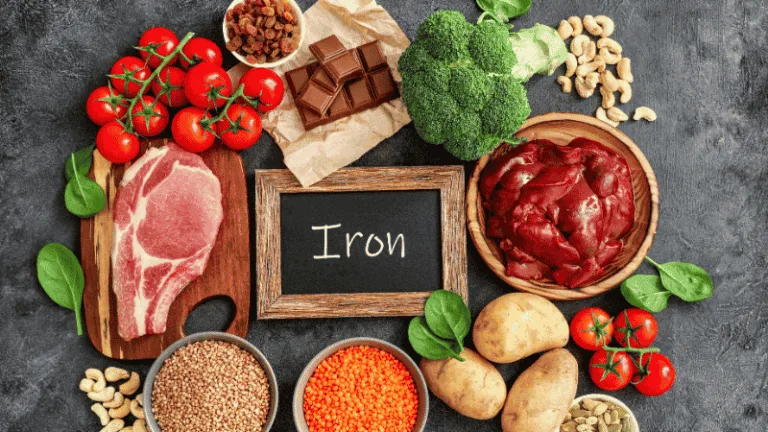
Magnesium, vitamin K and zinc all contribute to healthy bone metabolism and are found in a varied diet rich in wholegrains, legumes, nuts, seeds and vegetables.
Most people can meet their needs through food, although supplements may sometimes be appropriate depending on individual circumstances.
How a Dietitian Can Help
Bone health isn’t about one nutrient or one exercise session.
It’s about building habits that support your health over the long term.
Working with a dietitian can help you:
- Assess whether you’re getting enough calcium, protein and other key nutrients.
- Identify any nutritional gaps that may affect bone health.
- Create an eating pattern that’s practical, enjoyable and sustainable.
- Work alongside your exercise routine to support both bone and muscle health.
- Understand your individual risk factors and develop a personalised plan.
Small, consistent changes made today can have a lasting impact on your future health.
Looking After Your Bones Starts Today
Menopause is a time of change, but it’s also an opportunity to invest in your long-term health.
By staying active, eating well and getting the right support, you can help protect your bones, maintain your strength and continue doing the things you enjoy for years to come.
If you’d like personalised advice about nutrition during menopause or your bone health, we’d love to help.
Read more about our women’s health services here.
Book a consultation with Leeanne to create a nutrition plan that supports your health through every stage of menopause.
Written by Leeanne Azzopardi
Accredited Practising Dietitian & Director
Nutrition Health & Wellbeing